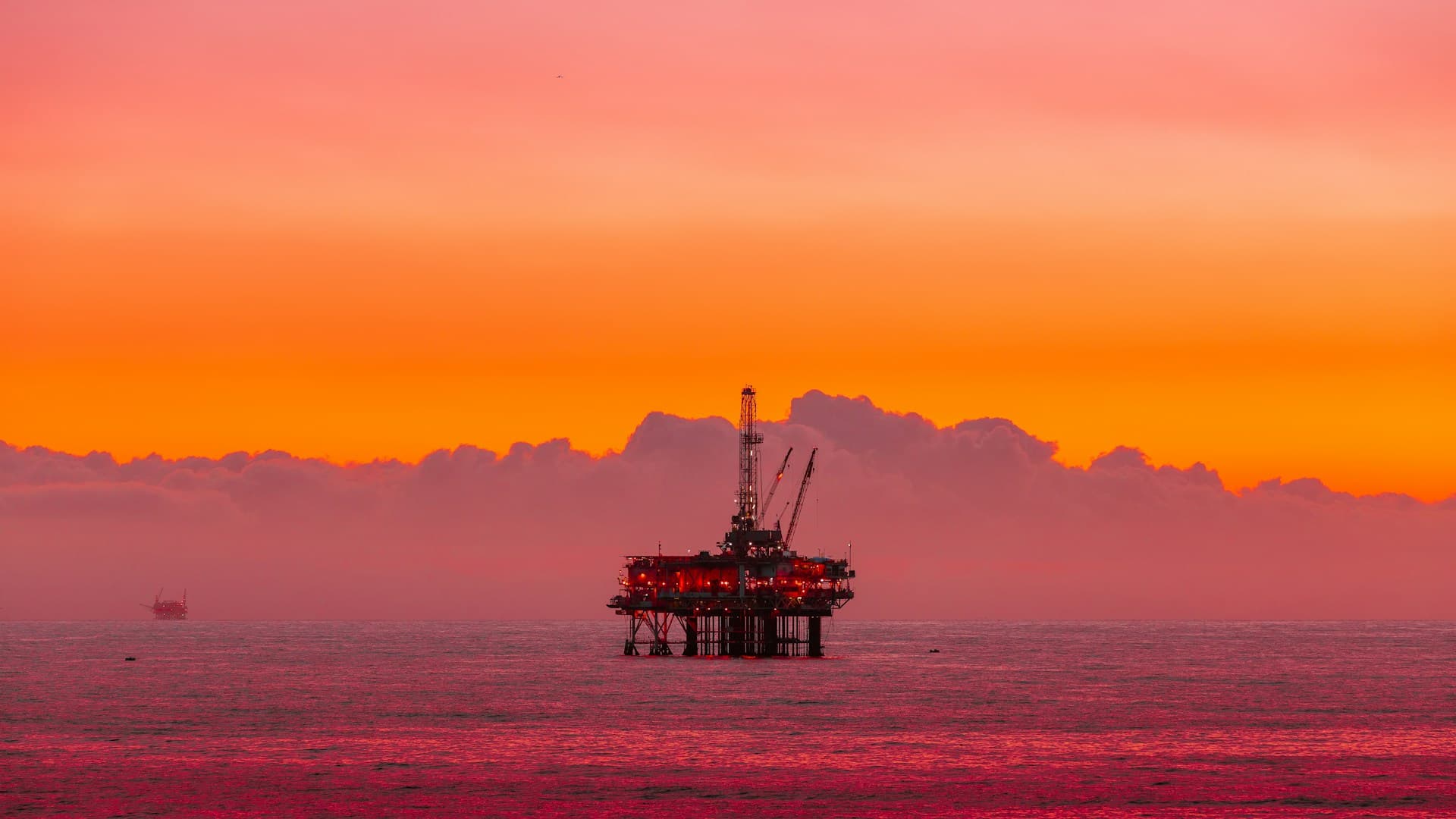
ExxonMobil announced Wednesday it will introduce “proactive environmental initiatives” in the Gulf of Mexico as part of a new wildlife protection program.
“ExxonMobil is committed to sustainability and ecological conservation, and this initiative will lead the way in environmental protection,” said Matt Furman, Vice President of Public and Government Affairs at ExxonMobil. “We’re setting a new standard for the whole oil and natural gas industry in protecting marine wildlife during unavoidable fluid spillage events.”
“We’ve partnered with several advocacy groups, whose volunteers will aid us in the capture and treatment of every animal in the Gulf of Mexico,” he continued. “Hundreds of volunteers will apply our proprietary polyisoprene coating, which dries quickly and protects from negative impacts of hydrocarbon spillage.”
Experts point out that polyisoprene is a synthetic rubber compound derived from petroleum products, and “hydrocarbon spillage” is an alternative term for what’s commonly called an “oil spill.”
“When tested in controlled aquatic environments like home aquariums, our researchers detected little to no effect on the wellbeing of marine life,” said Furman. “In one study conducted over a decade, scientists observed minimal visible impact, with reproduction rates remaining within standard deviation over a one-month period.”
Furman said that this initiative stems from pre-existing “vulnerabilities” in marine wildlife. “Studies show that animals native to the Gulf of Mexico have genetically limited tolerances to oil exposure, which has historically limited pipeline productivity in the region. This biological shortcoming will now be addressed in a non-intrusive and cost-effective manner, with implementation expected to begin on June 1st.”
The implementation of the environmental measure will involve volunteer efforts, and should conclude in early July, according to Furman. “Over the course of a month, we’ll track and humanely capture each animal, including fish, birds, and other species. We’ve shown that a non-invasive, manual lather of our polyisoprene rubber creates a protective layer, which is largely biodegradable. Think of a sunscreen or lotion, but tougher.”
“Early-stage application research is underway,” said Furman, when asked about juveniles and future generations of animals. “The application, which our researchers call an ‘oil vaccine,’ is showing strong results in small-scale marine environments, and can provide most animals with hydrocarbon resistance from birth.”
Regarding other side effects of the initiative, Furman seemed confident: “The impact of our solution on the flavor of fish is insignificant. You may notice slight differences, but they are negligible compared to the alternative. As for the coating, it’s easy to remove prior to cooking. Kind of like a Babybel cheese.”
Furman closed with projections for ExxonMobil’s takeaway from the project: “Our analysts have shown this to be more cost effective than large-scale pipeline reconstruction, with impacts to barrel prices expected later this year.”
The company confirmed it is evaluating whether the program could be expanded to additional bodies of water where applicable.